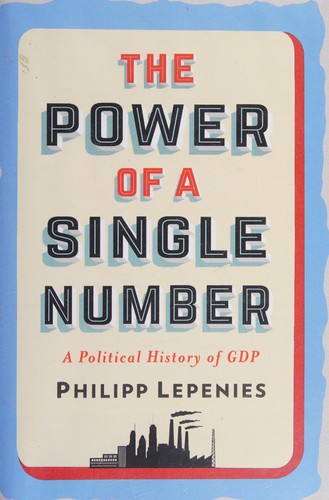
The power of a single number
About
Widely used since the mid-twentieth century, GDP (gross domestic product) has become the world's most powerful statistical indicator of national development and progress. Practically all governments adhere to the idea that GDP growth is a primary economic target, and while criticism of this measure has grown, neither its champions nor its detractors deny its central importance in our political culture. Here, social scientist Philipp Lepenies recounts the lively history of GDP's political acceptance--and eventual dominance. Locating the origins of GDP measurement in Renaissance England, Lepenies explores the social and political factors that originally hindered its use. It was not until the early 1900s that an ingenious lone-wolf economist revived and honed GDP's statistical approach. These ideas were then extended by John Maynard Keynes, and a more focused study of national income was born. American economists furthered this work by emphasizing GDP's ties to social well-being, setting the stage for its ascent. GDP finally achieved its singular status during World War II, assuming the importance it retains today. Lepenies's absorbing account helps us understand the personalities and popular events that propelled GDP to supremacy, and clarifies current debates over the wisdom of the number's rule.--Adapted from dust jacket.
Discuss The power of a single number with other readers
Join or start a book club for The power of a single number on Readfeed. Live chat, shared reading progress, and AI discussion questions — free to get started.
Frequently asked questions
How do I join a book club for The power of a single number?
Sign up free on Readfeed, then browse public clubs or start your own club with The power of a single number as the current read. Invite friends with a share link and discuss together with live chat and AI discussion questions.
Can I discuss The power of a single number with other readers online?
Yes. Readfeed book clubs let you chat live, share progress, and join discussions about The power of a single number with readers worldwide — whether your club is virtual, in-person, or hybrid.
Is Readfeed free?
Yes. Creating an account and joining book clubs is free. Sign up to find readers who love the same books and start discussing today.