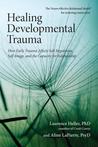
Healing Developmental Trauma: How Early Trauma Affects Self-Regulation, Self-Image, and the Capacity for Relationship
by Laurence Heller, Aline LaPierre, Laurence Heller
Explaining that an impaired capacity for connection to self and to others and the ensuing diminished aliveness are the hidden dimensions that underlie most psychological and many physiological problems, they introduce the NeuroAffective Relational Model® (NARM), a resource-oriented, psychodynamically informed approach that, while not ignoring a person’s past, emphasizes working in the present moment. NARM uses somatic mindfulness to re-regulate the nervous system and to resolve identity distortions—such as low self-esteem, shame, and chronic self-judgment—caused by developmental and relational trauma. Heller and LaPierre demonstrate how this therapy helps clients establish connection to the parts of self that are organized, coherent and functional, integrating the role of connection on all levels of experience as it affects a person's physiology, psychology, and capacity for relationship.
From the Trade Paperback edition.
Discuss Healing Developmental Trauma: How Early Trauma Affects Self-Regulation, Self-Image, and the Capacity for Relationship with other readers
Join or start a book club for Healing Developmental Trauma: How Early Trauma Affects Self-Regulation, Self-Image, and the Capacity for Relationship on Readfeed. Live chat, shared reading progress, and AI discussion questions — free to get started.
Frequently asked questions
How do I join a book club for Healing Developmental Trauma: How Early Trauma Affects Self-Regulation, Self-Image, and the Capacity for Relationship?
Sign up free on Readfeed, then browse public clubs or start your own club with Healing Developmental Trauma: How Early Trauma Affects Self-Regulation, Self-Image, and the Capacity for Relationship as the current read. Invite friends with a share link and discuss together with live chat and AI discussion questions.
Can I discuss Healing Developmental Trauma: How Early Trauma Affects Self-Regulation, Self-Image, and the Capacity for Relationship with other readers online?
Yes. Readfeed book clubs let you chat live, share progress, and join discussions about Healing Developmental Trauma: How Early Trauma Affects Self-Regulation, Self-Image, and the Capacity for Relationship with readers worldwide — whether your club is virtual, in-person, or hybrid.
Is Readfeed free?
Yes. Creating an account and joining book clubs is free. Sign up to find readers who love the same books and start discussing today.