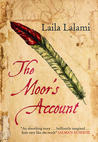
The Moor's Account
by Laila Lalami
430 pages· 2015· ISBN 9781859644270
About
“Laila Lalami has fashioned an absorbing story of one of the first encounters between Spanish conquistadores and Native Americans, a frightening, brutal, and much-falsified history that here, in her brilliantly imagined fiction, is rewritten to give us something that feels very like the truth.”
Salman Rushdie
In 1527 the Spanish conquistador Pánfilo de Narváez arrived on the coast of modern-day Florida with hundreds of settlers, and claimed the region for Spain. Almost immediately, the expedition was decimated by a combination of navigational errors, disease, starvation and fierce resistance from indigenous tribes. Within a year, only four survivors remained: three noblemen and a Moroccan slave called “Estebanico”.
The official record, set down after a reunion with Spanish forces in 1536, contains only the three freemen’s accounts. The fourth, to which the title of Laila Lalami’s masterful novel alludes, is Estebanico’s own.
Lalami gives us Estebanico as history never did: as Mustafa, the vibrant merchant from Azemmur forced into slavery and a new name, and reborn as the first black explorer of the Americas, discovering and being discovered by various tribes both hostile and compassionate.
In Estebanico’s telling, the survivors’ journey across great swathes of the New World transforms would-be conquerors into humble servants and fearful outcasts into faith healers. He remains ever-observant, resourceful and hopeful that he might one day find his way back to his family, even as he experiences an unexpected (if ambiguous) camaraderie with his masters.
The Moor’s Account illuminates the ways in which stories can transmigrate into history, and how storytelling can offer a chance for redemption, reinvention and survival.
Salman Rushdie
In 1527 the Spanish conquistador Pánfilo de Narváez arrived on the coast of modern-day Florida with hundreds of settlers, and claimed the region for Spain. Almost immediately, the expedition was decimated by a combination of navigational errors, disease, starvation and fierce resistance from indigenous tribes. Within a year, only four survivors remained: three noblemen and a Moroccan slave called “Estebanico”.
The official record, set down after a reunion with Spanish forces in 1536, contains only the three freemen’s accounts. The fourth, to which the title of Laila Lalami’s masterful novel alludes, is Estebanico’s own.
Lalami gives us Estebanico as history never did: as Mustafa, the vibrant merchant from Azemmur forced into slavery and a new name, and reborn as the first black explorer of the Americas, discovering and being discovered by various tribes both hostile and compassionate.
In Estebanico’s telling, the survivors’ journey across great swathes of the New World transforms would-be conquerors into humble servants and fearful outcasts into faith healers. He remains ever-observant, resourceful and hopeful that he might one day find his way back to his family, even as he experiences an unexpected (if ambiguous) camaraderie with his masters.
The Moor’s Account illuminates the ways in which stories can transmigrate into history, and how storytelling can offer a chance for redemption, reinvention and survival.
Discuss The Moor's Account with other readers
Join or start a book club for The Moor's Account on Readfeed. Live chat, shared reading progress, and AI discussion questions — free to get started.
Frequently asked questions
How do I join a book club for The Moor's Account?
Sign up free on Readfeed, then browse public clubs or start your own club with The Moor's Account as the current read. Invite friends with a share link and discuss together with live chat and AI discussion questions.
Can I discuss The Moor's Account with other readers online?
Yes. Readfeed book clubs let you chat live, share progress, and join discussions about The Moor's Account with readers worldwide — whether your club is virtual, in-person, or hybrid.
Is Readfeed free?
Yes. Creating an account and joining book clubs is free. Sign up to find readers who love the same books and start discussing today.