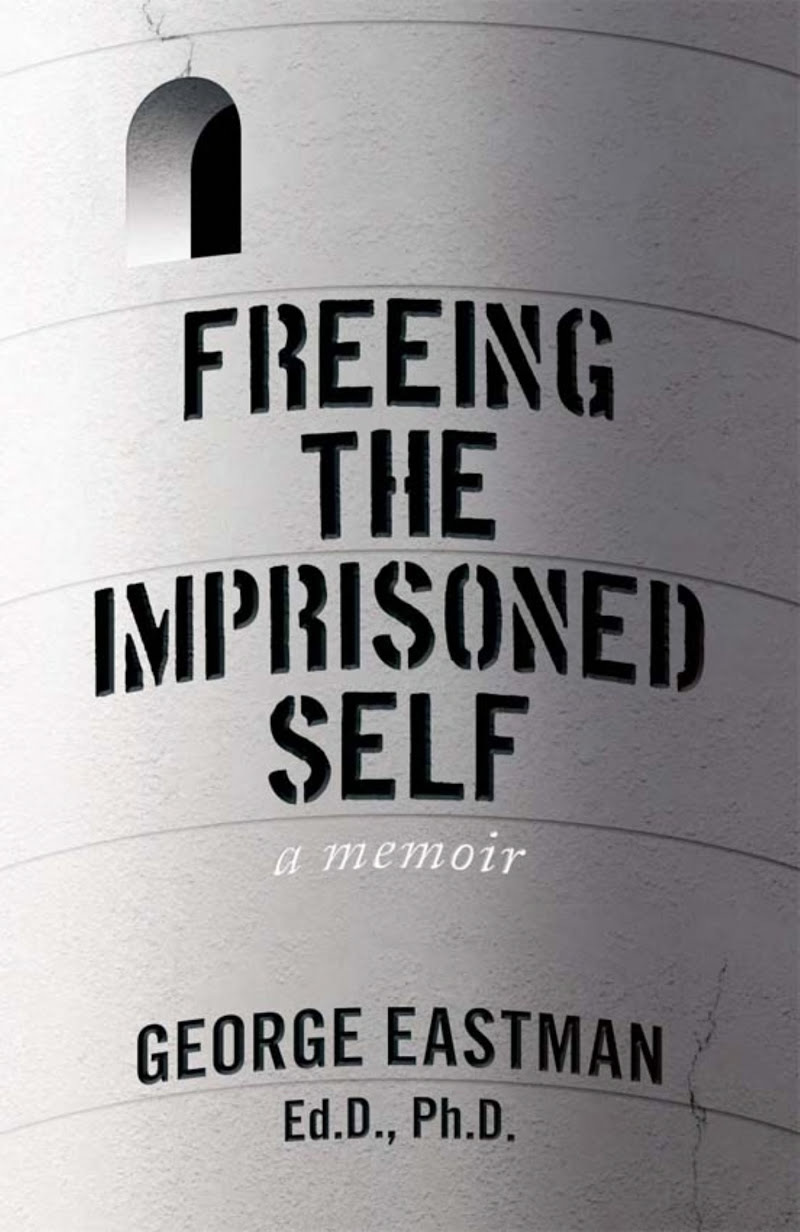
Freeing the Imprisoned Self

Freeing the Imprisoned Self

A memoir

by George Eastman Ed.D.

240 pages· 2015· ISBN 9781457526244

Browse books you can read free on Readfeed

No club is reading this yet — be the first to start one

Start a club free
About
Dr. Eastman offers himself as a case study, returning to the sudden loss of his mother at just twenty-two months, and his upbringing as the last of six children parented by a hardworking but rigid and emotionally vacant father. In the context of depression-era poverty and emotional deprivation, he developed what is called a schizoid personality disorder. He sought safety and refuge in a self-made prison of both grandiose and painfully lonely imaginings. Obsessively intellectual, he developed his mental processes to avoid feeling and any true intimacy. The preoccupation with abstract technical and philosophical issues shut him away from people. He became addicted to risk and to sex; professional rules that interfered did not apply to him. He repeatedly reconfigured his life — careers and relationships — to protect his schizoid “cylinder” of isolation. Others suffered; so did Eastman. Yet buried deep within lay an unquenchable thirst for connection and a heroic determination to understand and to heal. Eastman’s relentlessly honest story unfolds with commentary at the end of each chapter to clarify the clinical picture of the schizoid personality, which is still not well understood. Unlike schizophrenia, in which the split exists between the real world and a distorted inner world, the schizoid protects a private inner self that is experienced as rich and special. The stilted outer self is often mistaken for disinterest, detachment, or even hostility. Unlike the psychopath who presents a convincingly normal outer persona, the schizoid may appear socially awkward, tightly controlled, eccentric, and often intellectually superior. The schizoid’s pathological focus on self is a recognizable human quality — writ very large, indeed. George Eastman’s memoir and his meticulous analysis of the disorder is a gift, and proof that that although we may be our own jailers and prisoners, we have the power to set both free.

Discuss Freeing the Imprisoned Self with other readers

Join or start a book club for Freeing the Imprisoned Self on Readfeed. Live chat, shared reading progress, and AI discussion questions — free to get started.

Frequently asked questions

How do I join a book club for Freeing the Imprisoned Self?

Sign up free on Readfeed, then browse public clubs or start your own club with Freeing the Imprisoned Self as the current read. Invite friends with a share link and discuss together with live chat and AI discussion questions.

Can I discuss Freeing the Imprisoned Self with other readers online?

Yes. Readfeed book clubs let you chat live, share progress, and join discussions about Freeing the Imprisoned Self with readers worldwide — whether your club is virtual, in-person, or hybrid.

Is Readfeed free?

Yes. Creating an account and joining book clubs is free. Sign up to find readers who love the same books and start discussing today.