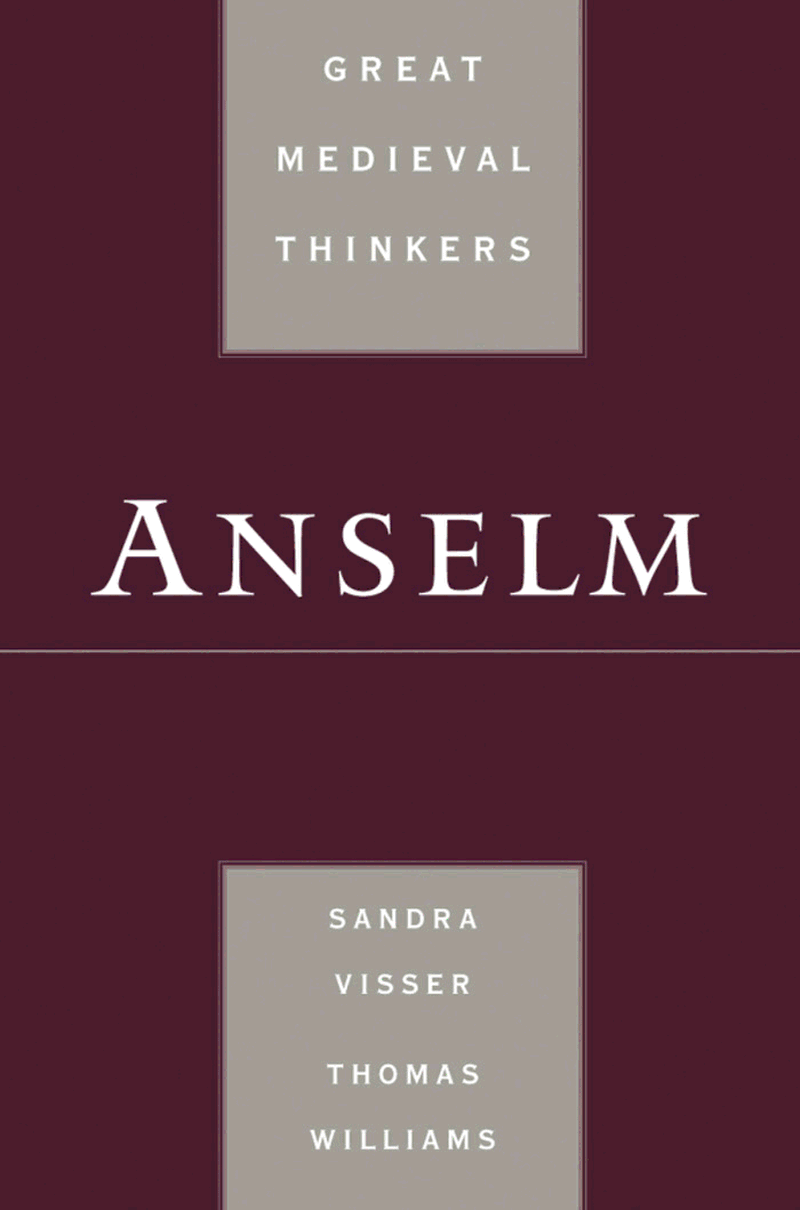
Anselm
by Thomas Williams, Sandra Visser
303 pages· 2009· ISBN 9780195309386
Rate this book:
No club is reading this yet — be the first to start one
About
Sandra Visser and Thomas Williams offer a brief, accessible introduction to the life and thought of St. Anselm (c. 1033-1109). Anselm, who was Archbishop of Canterbury for the last 16 years of his life, is unquestionably one of the foremost philosopher-theologians of the Middle Ages. Indeed he may have been the greatest Christian thinker in the 800 years between Augustine and Aquinas. His keen and rigorous thinking earned him the title 'The Father of Scholasticism.' The influence of his contributions to ethics and philosophical theology is clearly discernible in figures as various as Thomas Aquinas, John Duns Scotus, the voluntarists of the late-thirteenth and fourteenth centuries, and the Protestant Reformers. The prevalence of self-identified Anselmians - and anti-Anselmians - in contemporary philosophy of religion attests to the enduring importance of his approach to the divine nature. Visser and Williams's book falls into two main parts. The first will elucidate Anselm's metaphysics, concluding with an examination of Anselm's account of truth, which serves as a capstone for his metaphysical system. The second part focuses on Anselm's theory of knowledge. Topics considered include Anselm's general account of cognition and his odd but compelling theory of language-acquisition and the role it plays in discourse about the divine. The third section of the book is devoted to the moral life. Anselm's account of the foundations of ethics is philosophically of great interest, the authors show, because it effectively combines insights that contemporary philosophers have thought to be antithetical. In the fourth and last section, they turn to Anselm's philosophical explorations of Christian doctrine, including Redemption, the Trinity, and the Incarnation. They show how Anselm puts his metaphysical system to work in establishing the coherence of Christian doctrine and explain how his philosophical theology rests on his theory of knowledge.
Discuss Anselm with other readers
Join or start a book club for Anselm on Readfeed. Live chat, shared reading progress, and AI discussion questions — free to get started.
Frequently asked questions
How do I join a book club for Anselm?
Sign up free on Readfeed, then browse public clubs or start your own club with Anselm as the current read. Invite friends with a share link and discuss together with live chat and AI discussion questions.
Can I discuss Anselm with other readers online?
Yes. Readfeed book clubs let you chat live, share progress, and join discussions about Anselm with readers worldwide — whether your club is virtual, in-person, or hybrid.
Is Readfeed free?
Yes. Creating an account and joining book clubs is free. Sign up to find readers who love the same books and start discussing today.