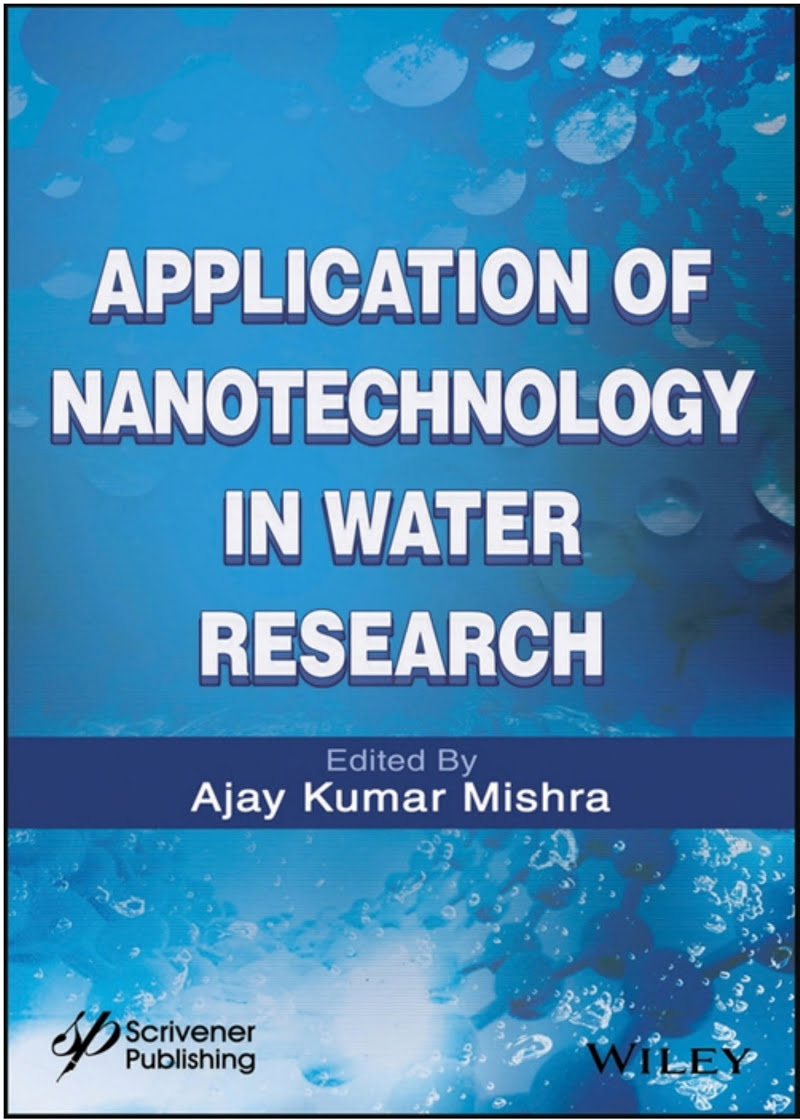
Application of Nanotechnology in Water Research

Application of Nanotechnology in Water Research

by Ajay Kumar Mishra

552 pages· 2014· ISBN 9781118939284

Browse books you can read free on Readfeed

No club is reading this yet — be the first to start one

Start a club free
About
Details the water research applications of nanotechnology in various areas including environmental science, remediation, membranes, nanomaterials, and water treatment At the nano size, materials often take on unique and sometimes unexpected properties that result in them being ‘tuned’ to build faster, lighter, stronger, and more efficient devices and systems, as well as creating new classes of materials. In water research, nanotechnology is applied to develop more cost-effective and high-performance water treatment systems, as well as to provide instant and continuous ways to monitor water quality. This volume presents an array of cutting-edge nanotechnology research in water applications including treatment, remediation, sensing, and pollution prevention. Nanotechnology applications for waste water research have significant impact in maintaining the long-term quality, availability, and viability of water. Regardless of the origin, such as municipal or industrial waste water, its remediation utilizing nanotechnology can not only be recycled and desalinized, but it can simultaneously detect biological and chemical contamination. Application of Nanotechnology in Water Research describes a broad area of nanotechnology and water research where membrane processes (nanofiltration, ultrafiltration, reverse osmosis, and nanoreactive membranes) are considered key components of advanced water purification and desalination technologies that remove, reduce, or neutralize water contaminants that threaten human health and/or ecosystem productivity and integrity. Various nanoparticles and nanomaterials that could be used in water remediation (zeolites, carbon nanotubes, self-assembled monolayer on mesoporous supports, biopolymers, single-enzyme nanoparticles, zero-valent iron nanoparticles, bimetallic iron nanoparticles, and nanoscale semiconductor photocatalysts) are discussed. The book also covers water-borne infectious diseases as well as water-borne pathogens, microbes, and toxicity approach.

Discuss Application of Nanotechnology in Water Research with other readers

Join or start a book club for Application of Nanotechnology in Water Research on Readfeed. Live chat, shared reading progress, and AI discussion questions — free to get started.

Frequently asked questions

How do I join a book club for Application of Nanotechnology in Water Research?

Sign up free on Readfeed, then browse public clubs or start your own club with Application of Nanotechnology in Water Research as the current read. Invite friends with a share link and discuss together with live chat and AI discussion questions.

Can I discuss Application of Nanotechnology in Water Research with other readers online?

Yes. Readfeed book clubs let you chat live, share progress, and join discussions about Application of Nanotechnology in Water Research with readers worldwide — whether your club is virtual, in-person, or hybrid.

Is Readfeed free?

Yes. Creating an account and joining book clubs is free. Sign up to find readers who love the same books and start discussing today.