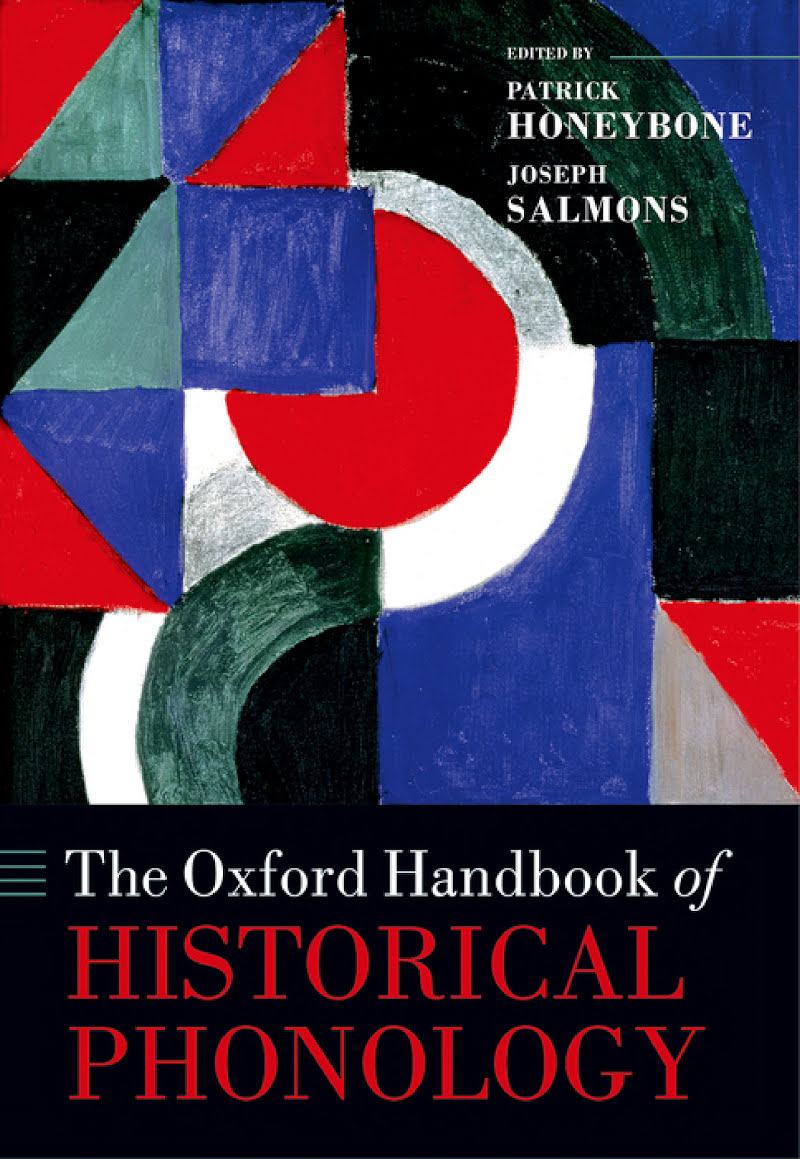
The Oxford Handbook of Historical Phonology
by Joseph Salmons, Patrick Honeybone
No club is reading this yet — be the first to start one
Discussion questions for The Oxford Handbook of Historical Phonology
Bring these to your book club — or discuss them with readers on Readfeed.
- 1
The book describes historical phonology as a field of "continuing vitality." What evidence or specific arguments presented in the handbook particularly illuminated for you why this sub-discipline remains so dynamic and relevant today?
- 2
Part IV explores "controversial aspects" within historical phonology, such as the mechanisms of lexical diffusion or the role of individuals in innovation. Which of these ongoing debates did you find most intriguing or challenging to your own understanding of language change, and why?
- 3
The book brings together scholars representing diverse theoretical perspectives, from evolutionary phonology to generative approaches. Did any particular theoretical framework or methodology resonate with you more strongly, or conversely, did any challenge your preconceptions about how language change should be studied?
Discuss The Oxford Handbook of Historical Phonology with other readers
Join or start a book club for The Oxford Handbook of Historical Phonology on Readfeed. Live chat, shared reading progress, and AI discussion questions — free to get started.
Frequently asked questions
How do I join a book club for The Oxford Handbook of Historical Phonology?
Sign up free on Readfeed, then browse public clubs or start your own club with The Oxford Handbook of Historical Phonology as the current read. Invite friends with a share link and discuss together with live chat and AI discussion questions.
Can I discuss The Oxford Handbook of Historical Phonology with other readers online?
Yes. Readfeed book clubs let you chat live, share progress, and join discussions about The Oxford Handbook of Historical Phonology with readers worldwide — whether your club is virtual, in-person, or hybrid.
Is Readfeed free?
Yes. Creating an account and joining book clubs is free. Sign up to find readers who love the same books and start discussing today.