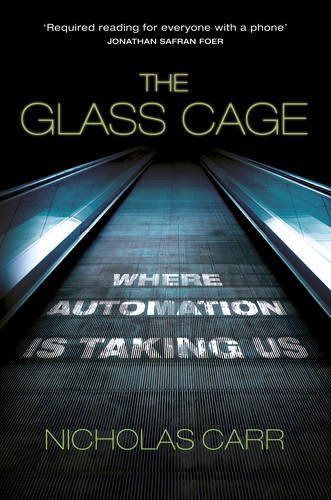
The Glass Cage
Where Automation is Taking Us
by Nicholas Carr
No club is reading this yet — be the first to start one
Discussion questions for The Glass Cage
Bring these to your book club — or discuss them with readers on Readfeed.
- 1
Carr's central metaphor of the "glass cockpit becoming a glass cage" powerfully frames his argument. How did this metaphor resonate with you, and can you identify a "glass cage" scenario in your own life where automation has subtly diminished your active involvement or problem-solving?
- 2
Carr asserts that the principle of automation – that humans are inefficient – becomes self-fulfilling. What evidence or examples does he provide that you found most compelling in supporting this claim?
- 3
The book discusses automation's effect on our ability to solve problems, forge memories, and acquire skills. Which of these areas do you believe is most vulnerable to the "glass cage" effect, and why?
Discuss The Glass Cage with other readers
Join or start a book club for The Glass Cage on Readfeed. Live chat, shared reading progress, and AI discussion questions — free to get started.
Frequently asked questions
How do I join a book club for The Glass Cage?
Sign up free on Readfeed, then browse public clubs or start your own club with The Glass Cage as the current read. Invite friends with a share link and discuss together with live chat and AI discussion questions.
Can I discuss The Glass Cage with other readers online?
Yes. Readfeed book clubs let you chat live, share progress, and join discussions about The Glass Cage with readers worldwide — whether your club is virtual, in-person, or hybrid.
Is Readfeed free?
Yes. Creating an account and joining book clubs is free. Sign up to find readers who love the same books and start discussing today.