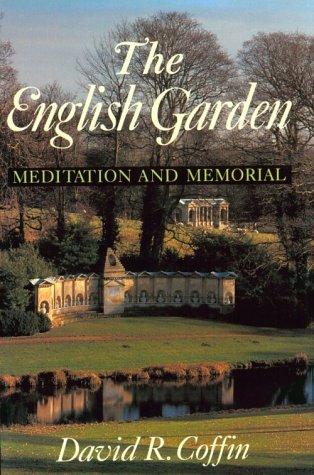
The English garden
by David R. Coffin
No club is reading this yet — be the first to start one
1 readers worldwide want to read this book
Discussion questions for The English garden
Bring these to your book club — or discuss them with readers on Readfeed.
- 1
How does David Coffin’s exploration of the English garden as a place of "contemplative consolation" change your own perspective on the purpose of outdoor spaces in modern life?
- 2
Considering the 16th-to-18th-century view of flowers as symbols of the impermanence of life, how do you personally reconcile the fleeting nature of beauty with your enjoyment of it?
- 3
The book discusses how garden hermitages transitioned from places of spiritual solitude to sites of social entertainment; what does this evolution reveal about changing human desires for isolation versus community?
Discuss The English garden with other readers
Join or start a book club for The English garden on Readfeed. Live chat, shared reading progress, and AI discussion questions — free to get started.
Frequently asked questions
How do I join a book club for The English garden?
Sign up free on Readfeed, then browse public clubs or start your own club with The English garden as the current read. Invite friends with a share link and discuss together with live chat and AI discussion questions.
Can I discuss The English garden with other readers online?
Yes. Readfeed book clubs let you chat live, share progress, and join discussions about The English garden with readers worldwide — whether your club is virtual, in-person, or hybrid.
Is Readfeed free?
Yes. Creating an account and joining book clubs is free. Sign up to find readers who love the same books and start discussing today.