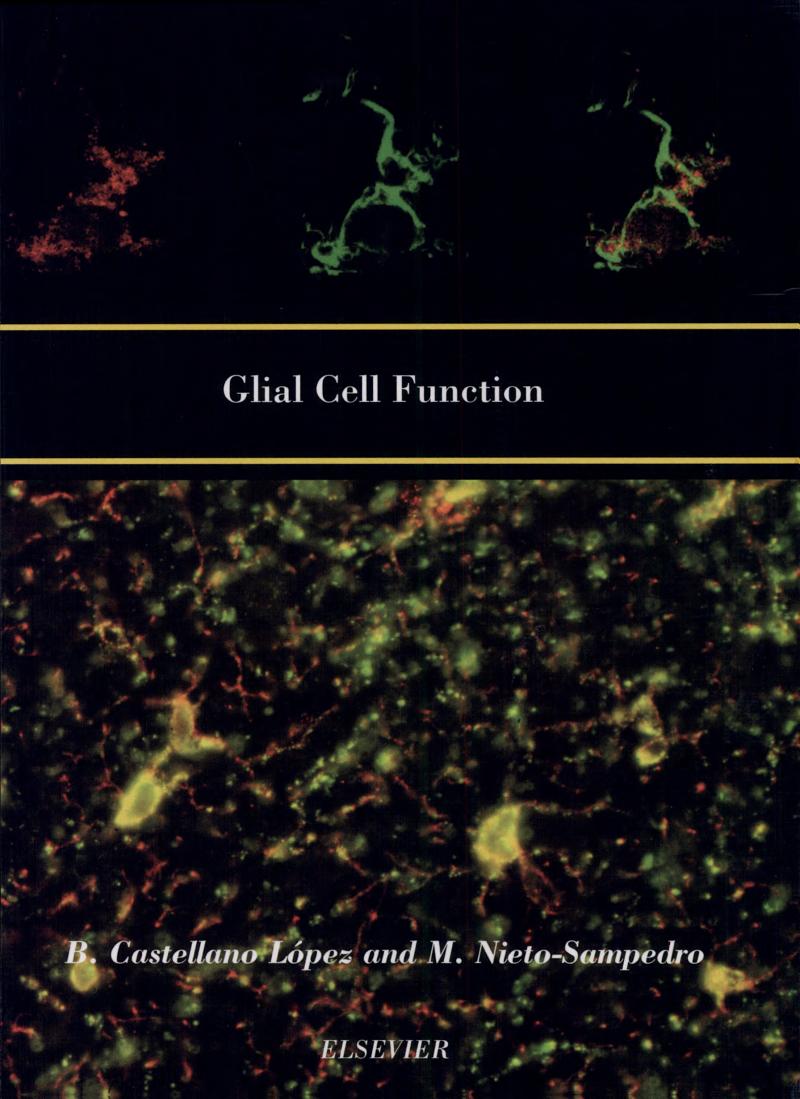
Glial Cell Function
by Manuel Nieto-Sampedro, Bernardo Castellano LoÌp̂ez
757 pages· 2003· ISBN 9780444514868
About
Although knowledge of the development and differentiation of glial cells has significantly increased in recent years, there are still many questions unanswered. The first section of the book is devoted to this very active topic and includes contributions on Schwann cells, oligodendrocytes, astroglia and microglia. The second section of the book covers cellular interactions, the role they play on myelination and remyelination, how these interactions take place and the molecules involved. The third section of this volume focuses on the interactions of neurons with glial cells and their role in brain function. Neuron-glia cross talk appears to be fundamental for synaptic transmission and several chapters in this section address this topic. The topic of how glial cells react to brain injury and how they participate in neuroprotection and brain repair is covered in section four of this book. As our knowledge about the molecules involved in the regenerative properties of glia increases, new avenues are open for the use of genetically modified glia with therapeutic purposes. The final section of the book is devoted to therapeutic approaches to tumours, viral and prion infections. Gene therapy is a promising approach for the treatment of gliomas, one of the most devastating forms of cancer. A chapter on prion diseases and microglia addresses a question of tremendous actuality, since prion diseases in cows is at this moment the major veterinary problem in Europe and has created a considerable social alarm.
Discuss Glial Cell Function with other readers
Join or start a book club for Glial Cell Function on Readfeed. Live chat, shared reading progress, and AI discussion questions — free to get started.
Frequently asked questions
How do I join a book club for Glial Cell Function?
Sign up free on Readfeed, then browse public clubs or start your own club with Glial Cell Function as the current read. Invite friends with a share link and discuss together with live chat and AI discussion questions.
Can I discuss Glial Cell Function with other readers online?
Yes. Readfeed book clubs let you chat live, share progress, and join discussions about Glial Cell Function with readers worldwide — whether your club is virtual, in-person, or hybrid.
Is Readfeed free?
Yes. Creating an account and joining book clubs is free. Sign up to find readers who love the same books and start discussing today.