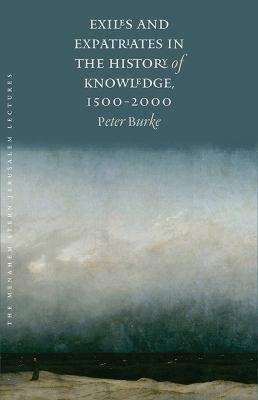
Exiles and Expatriates in the History of Knowledge, 1500-2000

Exiles and Expatriates in the History of Knowledge, 1500-2000

by Dror Wahrman, Peter Burke

Browse books you can read free on Readfeed

No club is reading this yet — be the first to start one

Start a club free
About
"Discusses whether exiles and expatriates have made a distinctive contribution to knowledge"--Provided by the publisher. In this wide-ranging consideration of intellectual diasporas, the historian Peter Burke questions what distinctive contribution to knowledge exiles and expatriates have made. The answer may be summed up in one word: deprovincialization. Historically, the encounter between scholars from different cultures was an education for both parties, exposing them to research opportunities and alternative ways of thinking. Deprovincialization was in part the result of mediation, as many émigrés informed people in their "hostland" about the culture of the native land, and vice versa. The detachment of the exiles, who sometimes viewed both homeland and hostland through foreign eyes, allowed them to notice what scholars in both countries had missed. Yet at the same time, the engagement between two styles of thought, one associated with the exiles and the other with their hosts, sometimes resulted in creative hybridization. This timely appraisal is brimming with anecdotes and fascinating findings about the intellectual assets that exiles and immigrants bring to their new country, even in the shadow of personal loss. -- from back cover.

Discuss Exiles and Expatriates in the History of Knowledge, 1500-2000 with other readers

Join or start a book club for Exiles and Expatriates in the History of Knowledge, 1500-2000 on Readfeed. Live chat, shared reading progress, and AI discussion questions — free to get started.

Frequently asked questions

How do I join a book club for Exiles and Expatriates in the History of Knowledge, 1500-2000?

Sign up free on Readfeed, then browse public clubs or start your own club with Exiles and Expatriates in the History of Knowledge, 1500-2000 as the current read. Invite friends with a share link and discuss together with live chat and AI discussion questions.

Can I discuss Exiles and Expatriates in the History of Knowledge, 1500-2000 with other readers online?

Yes. Readfeed book clubs let you chat live, share progress, and join discussions about Exiles and Expatriates in the History of Knowledge, 1500-2000 with readers worldwide — whether your club is virtual, in-person, or hybrid.

Is Readfeed free?

Yes. Creating an account and joining book clubs is free. Sign up to find readers who love the same books and start discussing today.