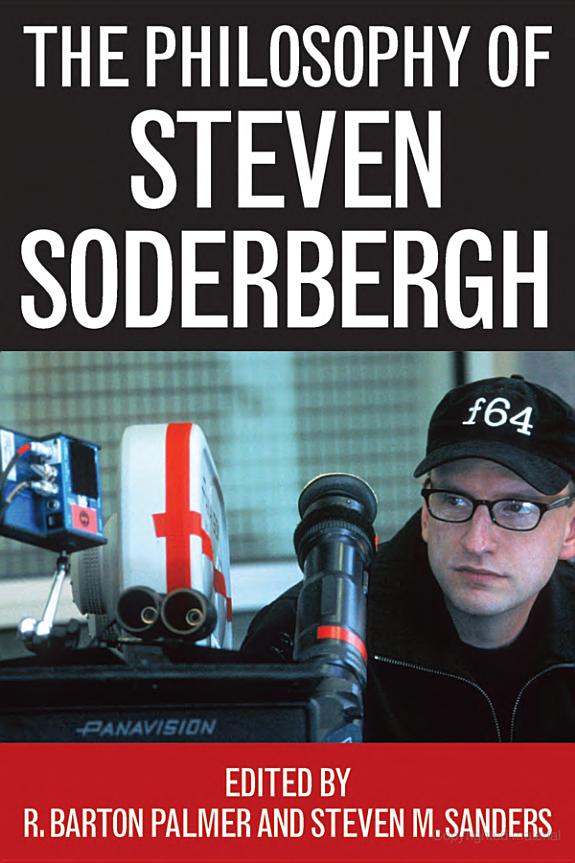
At the age of twenty-six, Steven Soderbergh launched his career in the film industry with astonishing success. His film sex, lies, and videotape (1989), which he wrote in only eight days, won the prestigious Palm d'Or at the Cannes Film Festival, a bittersweet blessing that shaped high expectations for the young director. The film, also nominated for an Academy Award, is regarded by most film experts as a turning point in the history of American independent cinema. The Philosophy of Steven Soderbogh examines Soderbergh's full body of work, from films that brought him commercial success such as Erin Brockovich (2000), to more controversial films such as The Limey (1999), which put his name among the ranks of such celebrated filmmakers as the Coen brothers, David Lynch, and Orson Welles. Editors R. Barton Palmer and Steven M. Sanders introduce readers to the imaginative storylines, philosophically salient themes, and inventive approaches to filmmaking that distinguish Soderbergh's work. Expert scholars analyze Soderbergh's films individually, exploring topics such as the nature of reality in Solaris (2002); the heritage of Enlightenment thought in Schizopolis (1996); guilt, punishment, and redemption in The Limey (1999); altruism in Erin Brockovich (2000); truth, knowledge, and ethics in sex, lies, and videotape (1989); politics as reality and fiction in K Street (2004); and Kantian ethics, performance, and agency in Traffic (2000) and the Ocean's trilogy (2001-2007). Like the Coens and David Lynch, Soderbergh places emphasis on character over narrative, self-conscious stylistic display and visual exuberance, and a deep, often disturbing engagement with the problematic aspects of the human condition. His films take on a variety of cinematic forms, often by joining the traditions of film noir and crime cinema with European styles and themes. By consistently challenging the viewer to question the foundations of knowledge, understanding, and reality, Soderbergh's films have played a significant role in the advancement of American art cinema. R. Barton Palmer Is Calhoun Lemon Professor of Literature at Clemson University and the author or editor of many books. Steven M. Sanders, professor emeritus of philosophy at Bridgewater State University