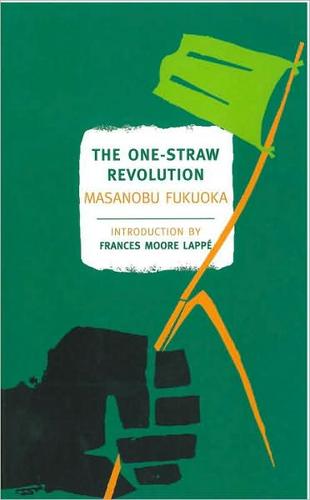
Shizen nōhō wara ippon no kakumei

Shizen nōhō wara ippon no kakumei

by Masanobu Fukuoka

Part of New York Review Books classics

4.4(5)
avg. reader rating
Rate this book:

Browse books you can read free on Readfeed

No club is reading this yet — be the first to start one

21 readers worldwide want to read this book

Start a club free
About
Six decades ago in postwar Japan, long before Michael Pollan or Alice Waters, Masanobu Fukuoka, a laboratory scientist who had studied plant enzymes and rhizomes in Tokyo laboratories and had worked with poisonous wartime chemicals during the devastations of the Second World War, headed back to the land his father's family farmed for nearly 1,400 years. There he painstakingly recovered and developed a method of farming that aligned itself as closely as possible with natural principles. While Japan set itself on a breakneck course toward modernization, Fukuoka grew rice in the opposite way, refusing to farm with chemicals that would annihilate even something as small as a leaf beetle. Call his book "Zen and the Art of the Wild Cucumber," or see Fukuoka as a Japanese Thoreau tending the whole universe in a beanstalk -- however you approach Fukuoka's rich philosophical side, it's important also to notice that his deep spiritual wisdom was co-terminous with his genius as a farmer. Without fertilizers or even tilling, he nonetheless harvested some of the greatest rice yields per acre in all of Japan. By the late '70s, when The One Straw Revolution was translated into English, Fukuoka had become a guru and disciple in seemingly radical -- but eminently sensible -- ways of approaching food, gardening, farming, and eating. His book is an early cult classic in organic and natural farming circles, but its implications stretch beyond them and continue to resonate as a global food crisis looms. Fukuoka believed that fertilizers and pesticides caused the very problems that they proposed to solve; that rather than annihilating pests, they invited them. He argued that natural foods, grown without these costly additives, should be the cheapest; and that the body living closest to the land and aligning itself with the seasons would be the healthiest. Thirty years later, as this book is re-released, Fukuoka's message -- now more urgent than ever -- remains a deeply nourishing clarion call.

Discuss Shizen nōhō wara ippon no kakumei with other readers

Join or start a book club for Shizen nōhō wara ippon no kakumei on Readfeed. Live chat, shared reading progress, and AI discussion questions — free to get started.

Frequently asked questions

How do I join a book club for Shizen nōhō wara ippon no kakumei?

Sign up free on Readfeed, then browse public clubs or start your own club with Shizen nōhō wara ippon no kakumei as the current read. Invite friends with a share link and discuss together with live chat and AI discussion questions.

Can I discuss Shizen nōhō wara ippon no kakumei with other readers online?

Yes. Readfeed book clubs let you chat live, share progress, and join discussions about Shizen nōhō wara ippon no kakumei with readers worldwide — whether your club is virtual, in-person, or hybrid.

Is Readfeed free?

Yes. Creating an account and joining book clubs is free. Sign up to find readers who love the same books and start discussing today.