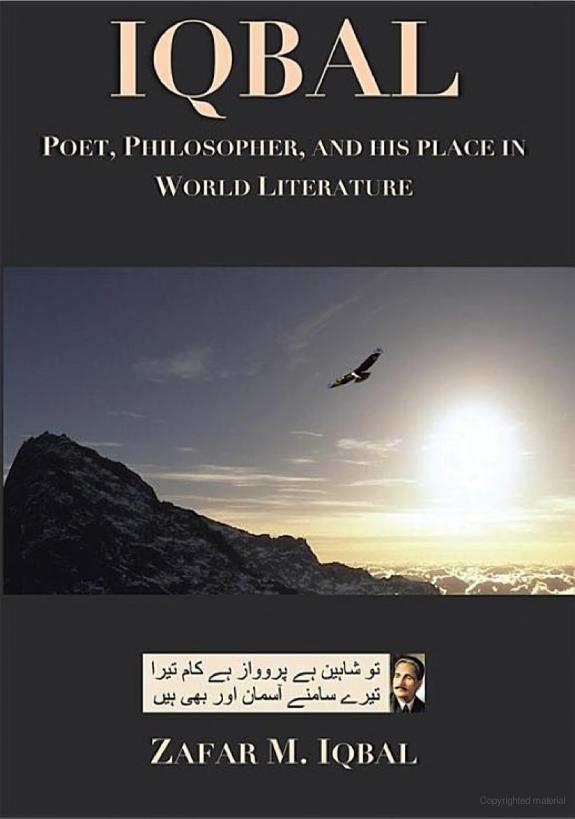
Iqbal: Poet, Philosopher, and His Place In World Literature

Iqbal: Poet, Philosopher, and His Place In World Literature

by Zafar M. Iqbal

402 pages· 2015· ISBN 9781503530362

Browse books you can read free on Readfeed

About
For most Urdu speakers in the Indian subcontinent, Iqbal has long been one of the most loved and admired poets. Much has been written about his poetry and philosophy . This book stays away from his politics. Iqbal first received recognition in the West in 1920 when his translation of Asrar-e-Khudi by R. A. Nicholson (The Secrets of the Self) first appeared. Most of the recurring criticism was on his concept of Khudi which Iqbal addressed then and later, explaining the basic nature of influence of much older Sufi philosophy on khudi versus Nietzsche’s Übermensch. Several authors, both from the subcontinent and the West, have translated Iqbal’s poetry before, and in this book have highlighted the positive outcomes over some controversies and confusion. This book presents translation of well over 150 of Iqbal’s Urdu poems from Kuliyaath-e-Iqbal and about 30 or so from Payam-e-Mashriq (PM), in Persian. Iqbal offered PM as a response to Goethe’s West-östlicher Diwan, in German. Goethe had long been interested in Eastern (rather, Middle Eastern) culture and his Divan was inspired by the fourteenth-century Persian poet Hafez/Hafiz/Hafis, which also involved some literary traverse through a different religio-philosophical territory. Translation from Urdu or Persian to English across a vast cultural, prosodic, and linguistic gulf presents enormous problems. Section “On Translation” discusses some of these issues. Although Iqbal’s philosophy has been covered from by many others before, some of Iqbal’s own explanation of Khudi in a larger historical Sufi context are discussed here. In addition, Iqbal’s own contribution to what Goethe called Weltliteratur (or world literature), is recognized in PM (mostly) and elsewhere in his Urdu Kuliyaath. Iqbal not just brought various Western themes and figures to Urdu literature, but presented them, with his own comments and interpretation, to a readership that may have been largely unfamiliar with these Western themes. The Appendices include important recognition Iqbal received in Germany.

Discuss Iqbal: Poet, Philosopher, and His Place In World Literature with other readers

Join or start a book club for Iqbal: Poet, Philosopher, and His Place In World Literature on Readfeed. Live chat, shared reading progress, and AI discussion questions — free to get started.

Frequently asked questions

How do I join a book club for Iqbal: Poet, Philosopher, and His Place In World Literature?

Sign up free on Readfeed, then browse public clubs or start your own club with Iqbal: Poet, Philosopher, and His Place In World Literature as the current read. Invite friends with a share link and discuss together with live chat and AI discussion questions.

Can I discuss Iqbal: Poet, Philosopher, and His Place In World Literature with other readers online?

Yes. Readfeed book clubs let you chat live, share progress, and join discussions about Iqbal: Poet, Philosopher, and His Place In World Literature with readers worldwide — whether your club is virtual, in-person, or hybrid.

Is Readfeed free?

Yes. Creating an account and joining book clubs is free. Sign up to find readers who love the same books and start discussing today.