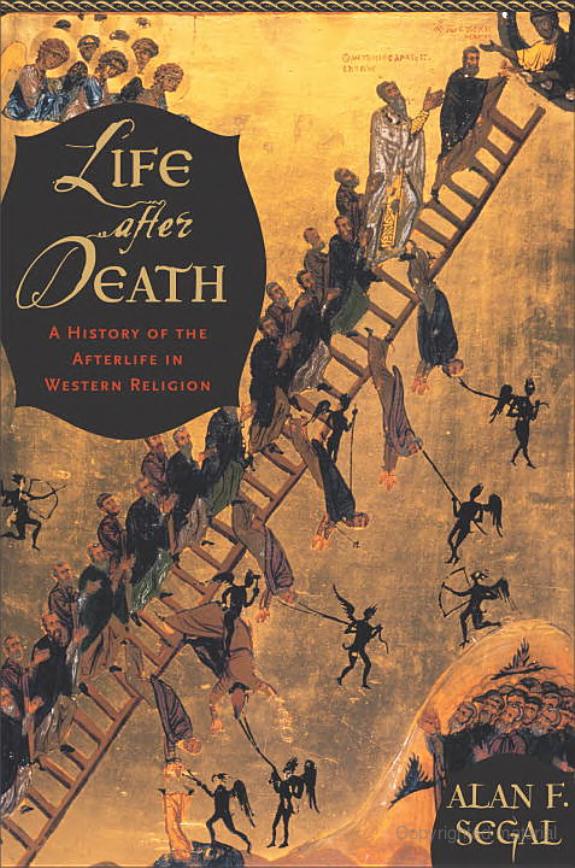
Life After Death

Life After Death

A History of the Afterlife in Western Religion

by Alan Segal

880 pages· 2010· ISBN 9780307874733

Browse books you can read free on Readfeed

No club is reading this yet — be the first to start one

Start a club free
About
A magisterial work of social history, Life After Death illuminates the many different ways ancient civilizations grappled with the question of what exactly happens to us after we die. In a masterful exploration of how Western civilizations have defined the afterlife, Alan F. Segal weaves together biblical and literary scholarship, sociology, history, and philosophy. A renowned scholar, Segal examines the maps of the afterlife found in Western religious texts and reveals not only what various cultures believed but how their notions reflected their societies’ realities and ideals, and why those beliefs changed over time. He maintains that the afterlife is the mirror in which a society arranges its concept of the self. The composition process for Judaism, Christianity, and Islam begins in grief and ends in the victory of the self over death. Arguing that in every religious tradition the afterlife represents the ultimate reward for the good, Segal combines historical and anthropological data with insights gleaned from religious and philosophical writings to explain the following mysteries: why the Egyptians insisted on an afterlife in heaven, while the body was embalmed in a tomb on earth; why the Babylonians viewed the dead as living in underground prisons; why the Hebrews remained silent about life after death during the period of the First Temple, yet embraced it in the Second Temple period (534 B.C.E. –70 C.E.); and why Christianity placed the afterlife in the center of its belief system. He discusses the inner dialogues and arguments within Judaism and Christianity, showing the underlying dynamic behind them, as well as the ideas that mark the differences between the two religions. In a thoughtful examination of the influence of biblical views of heaven and martyrdom on Islamic beliefs, he offers a fascinating perspective on the current troubling rise of Islamic fundamentalism. In tracing the organic, historical relationships between sacred texts and communities of belief and comparing the visions of life after death that have emerged throughout history, Segal sheds a bright, revealing light on the intimate connections between notions of the afterlife, the societies that produced them, and the individual’s search for the ultimate meaning of life on earth. From the Hardcover edition.

Discuss Life After Death with other readers

Join or start a book club for Life After Death on Readfeed. Live chat, shared reading progress, and AI discussion questions — free to get started.

Frequently asked questions

How do I join a book club for Life After Death?

Sign up free on Readfeed, then browse public clubs or start your own club with Life After Death as the current read. Invite friends with a share link and discuss together with live chat and AI discussion questions.

Can I discuss Life After Death with other readers online?

Yes. Readfeed book clubs let you chat live, share progress, and join discussions about Life After Death with readers worldwide — whether your club is virtual, in-person, or hybrid.

Is Readfeed free?

Yes. Creating an account and joining book clubs is free. Sign up to find readers who love the same books and start discussing today.