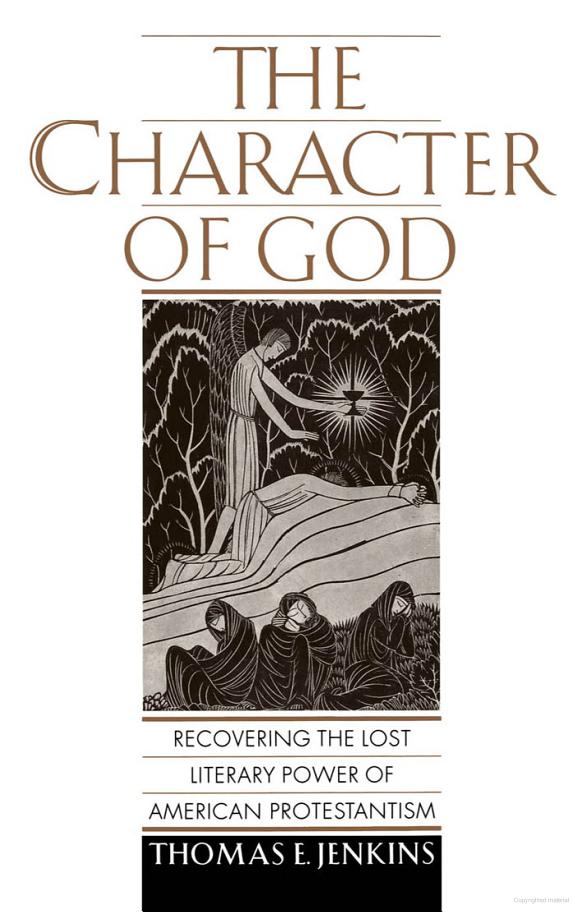
The Character of God

The Character of God

Recovering the Lost Literary Power of American Protestantism

by Thomas E. Jenkins

272 pages· 1997· ISBN 9780195112023
About
Educated people have become bereft of sophisticated ways to develop their religious inclinations. A major reason for this is that theology has become vague and dull. In The Character of God, author Thomas E. Jenkins maintains that Protestant theology became boring by the late nineteenth century because the depictions of God as a character in theology became boring. He shows how in the early nineteenth century, American Protestant theologians downplayed biblical depictions of God's emotional complexity and refashioned his character according to their own notions, stressing emotional singularity. These notions came from many sources, but the major influences were the neoclassical and sentimental literary styles of characterization dominant at the time. The serene benevolence of neoclassicism and the tender sympathy of sentimentalism may have made God appealing in the mid-1800s, but by the end of the century, these styles had lost much of their cultural power and increasingly came to seem flat and vague. Despite this, both liberal and conservative theologians clung to these characterizations of God throughout the twentieth century. Jenkins argues that a way out of this impasse can be found in romanticism, the literary style of characterization that supplanted neoclassicism and sentimentalism and dominated American literary culture throughout the twentieth century. Romanticism emphasized emotional complexity and resonated with biblical depictions of God. A few maverick religious writers-- such as Harriet Beecher Stowe, W. G. T. Shedd, and Horace Bushnell--did devise emotionally complex characterizations of God and in some cases drew directly from romanticism. But their strange and sometimes shocking depictions of God were largely forgotten in the twentieth century. s use "theological" as a pejorative term, implying that an argument is needlessly Jenkins urges a reassessment of their work and a greaterin understanding of the relationship between theology and literature. Recovering the lost literary power of American Protestantism, he claims, will make the character of God more compelling and help modern readers appreciate the peculiar power of the biblical characterization of God.

Discuss The Character of God with other readers

Join or start a book club for The Character of God on Readfeed. Live chat, shared reading progress, and AI discussion questions — free to get started.

Frequently asked questions

How do I join a book club for The Character of God?

Sign up free on Readfeed, then browse public clubs or start your own club with The Character of God as the current read. Invite friends with a share link and discuss together with live chat and AI discussion questions.

Can I discuss The Character of God with other readers online?

Yes. Readfeed book clubs let you chat live, share progress, and join discussions about The Character of God with readers worldwide — whether your club is virtual, in-person, or hybrid.

Is Readfeed free?

Yes. Creating an account and joining book clubs is free. Sign up to find readers who love the same books and start discussing today.