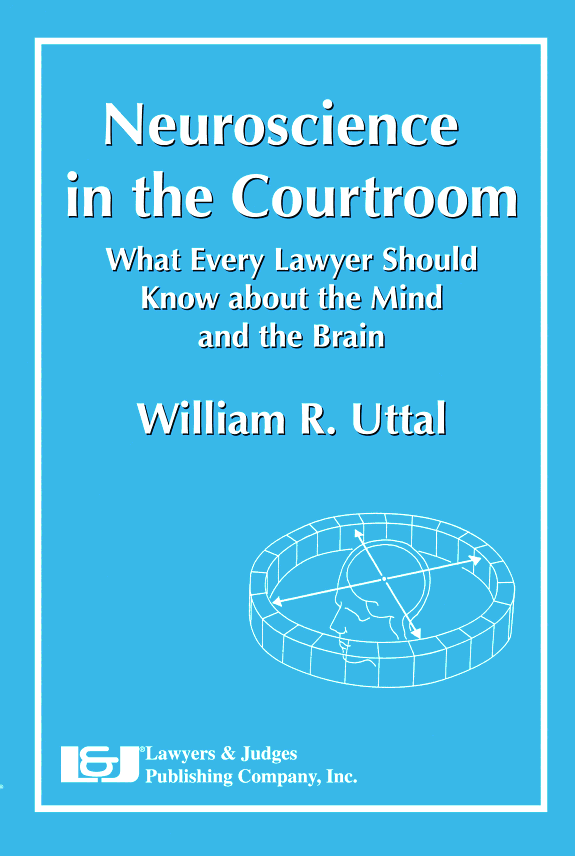
Neuroscience in the Courtroom

Neuroscience in the Courtroom

What Every Lawyer Should Know about the Mind and the Brain

by William R. Uttal

288 pages· 2009· ISBN 9781933264387
About
In legal cases reading a person's mind is often attempted. There are many legal and ethical questions surrounding these attempts and the science behind them. Neuroscience in the Courtroom presents the most current research in the neuroscience area as it relates to the legal arena. In this text you will learn about the distinctions between the brain and the mind. You will also be introduced to the most recent research on detecting deception, control of aggression and the brain, cognitive disorders and brain adaptations, ethics and reliability and validation of testing and studies, and more. Actual science and pseudo-science are distinguished. This text discusses the scientific validity of information from this research as it relates to use in the courtroom. The author, William R. Uttal, also compares the results to the standards for scientific evidence presented in trial set by the Frye and Daubert criteria. He also makes recommendations as to whether or not this type of information should be admissible in court at this time. This book is an excellent starting point for any legal professional looking to understand the human mind and how research on it has impacted today's court proceedings and evidence presented.

Discuss Neuroscience in the Courtroom with other readers

Join or start a book club for Neuroscience in the Courtroom on Readfeed. Live chat, shared reading progress, and AI discussion questions — free to get started.

Frequently asked questions

How do I join a book club for Neuroscience in the Courtroom?

Sign up free on Readfeed, then browse public clubs or start your own club with Neuroscience in the Courtroom as the current read. Invite friends with a share link and discuss together with live chat and AI discussion questions.

Can I discuss Neuroscience in the Courtroom with other readers online?

Yes. Readfeed book clubs let you chat live, share progress, and join discussions about Neuroscience in the Courtroom with readers worldwide — whether your club is virtual, in-person, or hybrid.

Is Readfeed free?

Yes. Creating an account and joining book clubs is free. Sign up to find readers who love the same books and start discussing today.