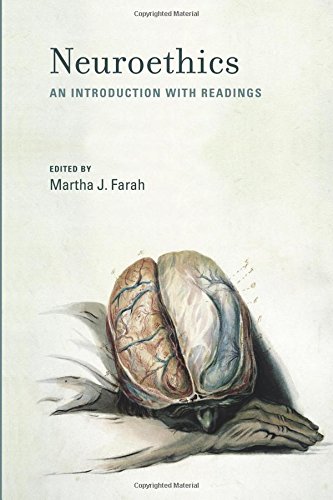
Neuroethics: An Introduction with Readings (Basic Bioethics)
by Eric R. Kandel, Stephen Morse, Howard Gardner, Michael S. Gazzaniga, John Harris, Patricia King, Arthur L. Caplan, Sidney Perkowitz, Steven E. Hyman, Steven Laureys, Ronald C. Kessler, Martha J. Farah, Jonathan Cohen, Judy Illes, Barbara J. Sahakian, Carl Elliott, Robert Cook-Deegan, Paul Root Wolpe, Peter D. Kramer, Joshua D. Greene, Roderick Flower, Eric Parens, Lawrence K. Diller, Henry Greely, Philip Campbell, Adam J. Kolber, Turhan Canli, Zenab Amin, Jeremy R. Gray, Paul M. Thompson, Kenneth R. Foster, Daniel D. Langleben, Elizabeth A. Phelps, Laura A. Thomas, Eric Racine, Ofek Bar-Ilan, Stacey A. Tovino, Richard G. Boire, Andrea S. Heberlein, Nancey Murphy, President's Council on Bioethics
No club is reading this yet — be the first to start one
Explores the ethical, legal, and societal issues arising from brain imaging, psychopharmacology, and other new developments in neuroscience.
Neuroscience increasingly allows us to explain, predict, and even control aspects of human behavior. The ethical issues that arise from these developments extend beyond the boundaries of conventional bioethics into philosophy of mind, psychology, theology, public policy, and the law. This broader set of concerns is the subject matter of neuroethics. In this book, leading neuroscientist Martha Farah introduces the reader to the key issues of neuroethics, placing them in scientific and cultural context and presenting a carefully chosen set of essays, articles, and excerpts from longer works that explore specific problems in neuroethics from the perspectives of a diverse set of authors. Included are writings by such leading scientists, philosophers, and legal scholars as Carl Elliot, Joshua Greene, Steven Hyman, Peter Kramer, and Elizabeth Phelps. Topics include the ethical dilemmas of cognitive enhancement; issues of personality, memory and identity; the ability of brain imaging to both persuade and reveal; the legal implications of neuroscience; and the many ways in which neuroscience challenges our conception of what it means to be a person.
Neuroethics is an essential guide to the most intellectually challenging and socially significant issues at the interface of neuroscience and society. Farah's clear writing and well-chosen readings will be appreciated by scientist and humanist alike, and the inclusion of questions for discussion in each section makes the book suitable for classroom use.
Contributors
Zenab Amin, Ofek Bar-Ilan, Richard G. Boire, Philip Campbell, Turhan Canli, Jonathan Cohen, Robert Cook-Degan, Lawrence H. Diller, Carl Elliott, Martha J. Farah, Rod Flower, Kenneth R. Foster, Howard Gardner, Michael Gazzaniga, Jeremy R. Gray, Henry Greely, Joshua Greene, John Harris, Andrea S. Heberlein, Steven E. Hyman, Judy Iles, Eric Kandel, Ronald C. Kessler, Patricia King, Adam J. Kolber, Peter D. Kramer, Daniel D. Langleben, Steven Laureys, Stephen J. Morse, Nancey Murphy, Eric Parens, Sidney Perkowitz, Elizabeth A. Phelps, President's Council on Bioethics, Eric Racine, Barbara Sahakian, Laura A. Thomas, Paul M. Thompson, Stacey A. Tovino, Paul Root Wolpe
Discuss Neuroethics: An Introduction with Readings (Basic Bioethics) with other readers
Join or start a book club for Neuroethics: An Introduction with Readings (Basic Bioethics) on Readfeed. Live chat, shared reading progress, and AI discussion questions — free to get started.
Frequently asked questions
How do I join a book club for Neuroethics: An Introduction with Readings (Basic Bioethics)?
Sign up free on Readfeed, then browse public clubs or start your own club with Neuroethics: An Introduction with Readings (Basic Bioethics) as the current read. Invite friends with a share link and discuss together with live chat and AI discussion questions.
Can I discuss Neuroethics: An Introduction with Readings (Basic Bioethics) with other readers online?
Yes. Readfeed book clubs let you chat live, share progress, and join discussions about Neuroethics: An Introduction with Readings (Basic Bioethics) with readers worldwide — whether your club is virtual, in-person, or hybrid.
Is Readfeed free?
Yes. Creating an account and joining book clubs is free. Sign up to find readers who love the same books and start discussing today.