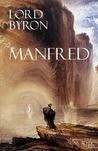
Manfred
by George Gordon Byron
84 pages· 2009· ISBN 9781103516810
About
Manfred contains supernatural elements, in keeping with the popularity of the ghost story in England at the time. It is a typical example of a Romantic closet drama. Manfred was adapted musically by Robert Schumann in 1852, in a composition entitled Manfred: Dramatic Poem with music in Three Parts, and later by Pyotr Ilyich Tchaikovsky in his Manfred Symphony, Op. 58, as well as by Carl Reinecke. Friedrich Nietzsche was impressed by the poem's depiction of a super-human being, and wrote some music for it.
Byron wrote this "metaphysical drama", as he called it, after his marriage failed in scandal amidst charges of sexual improprieties and an incestuous affair between Byron and his half-sister, Augusta Leigh. Attacked by the press and ostracized by London society, Byron fled England for Switzerland in 1816 and never returned. Because Manfred was written immediately after this and because Manfred regards a main character tortured by his own sense of guilt for an unmentionable offense, some critics consider Manfred to be autobiographical, or even confessional.
The unnamed but forbidden nature of Manfred's relationship to Astarte is believed to represent Byron's relationship with his half-sister Augusta. Byron commenced this work in late 1816, only a few months after the famed ghost-story sessions which provided the initial impetus for Mary Shelley's Frankenstein. The supernatural references are made clear throughout the poem. In one scene, for example, (Act III, Scene IV, Interior of the Tower), Manfred recalls traveling through time (or astral projection traveling) to Caesar's palace, "and fill'd up, As 't were anew, the gaps of centuries...".
Byron wrote this "metaphysical drama", as he called it, after his marriage failed in scandal amidst charges of sexual improprieties and an incestuous affair between Byron and his half-sister, Augusta Leigh. Attacked by the press and ostracized by London society, Byron fled England for Switzerland in 1816 and never returned. Because Manfred was written immediately after this and because Manfred regards a main character tortured by his own sense of guilt for an unmentionable offense, some critics consider Manfred to be autobiographical, or even confessional.
The unnamed but forbidden nature of Manfred's relationship to Astarte is believed to represent Byron's relationship with his half-sister Augusta. Byron commenced this work in late 1816, only a few months after the famed ghost-story sessions which provided the initial impetus for Mary Shelley's Frankenstein. The supernatural references are made clear throughout the poem. In one scene, for example, (Act III, Scene IV, Interior of the Tower), Manfred recalls traveling through time (or astral projection traveling) to Caesar's palace, "and fill'd up, As 't were anew, the gaps of centuries...".
Discuss Manfred with other readers
Join or start a book club for Manfred on Readfeed. Live chat, shared reading progress, and AI discussion questions — free to get started.
Frequently asked questions
How do I join a book club for Manfred?
Sign up free on Readfeed, then browse public clubs or start your own club with Manfred as the current read. Invite friends with a share link and discuss together with live chat and AI discussion questions.
Can I discuss Manfred with other readers online?
Yes. Readfeed book clubs let you chat live, share progress, and join discussions about Manfred with readers worldwide — whether your club is virtual, in-person, or hybrid.
Is Readfeed free?
Yes. Creating an account and joining book clubs is free. Sign up to find readers who love the same books and start discussing today.