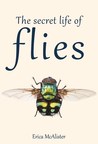
The Secret Life of Flies
by Erica McAlister
248 pages· 2017· ISBN 9781770858091
Rate this book:
About
Stories and science about nature's most complex, crucial and highly adaptive insect.
The Secret Life of Flies takes readers into the hidden world of snail killers, con artists, crazy sex and a great many silly names. It dispels common misconceptions about flies and reveals how truly extraordinary, exotic and important are these misunderstood creatures.
There are ten chapters:
1. The immature ones - Squirmy wormy larvae can be just a bit unnerving, especially when they're in large numbers.
2. The pollinators - Those annoying No See Ums, or midge flies, are the only pollinator of the chocolate-producing cacao tree, a status held by many of the pollinators.
3. The detritivores - These garbage eaters are often fluffy and thus water-repellent, good for a life spent in a sewer.
4. The vegetarians - Entomological spelunkers, many of these flies prefer plant roots forsaking the leaves to other creatures.
5. The fungivores - The mushroom eaters include the dark-winged fungus gnats whose wing patterns are one of the author's favorites.
6. The predators - Here are the most devious and imaginative methods of luring, capturing and eating prey.
7. The parasites - Their methods of survival are often disgusting but the evolutionary genius is admirable.
8. The sanguivores - McAlister responds to the perpetual question, exactly why do we have blood-sucking disease-spreading mosquitos?
9. The coprophages - The champions of dung, detritus and other unpleasant things.
10. The necrophages - The body eaters without which we would be in a most disagreeable situation.
In clear language, McAlister explains Diptera taxonomy and forensic entomology, and describes the potential of flies to transform their relationship with humans from one of disease vector to partner in environmental preservation. She has a wonderful knack for storytelling, deftly transforming what could be dry descriptions of biology, reproduction and morphology into entertainment. She takes readers to piles of poo in Ethiopia by way of underground caves, latrines and backyard gardens, and opens the drawers at the Natural History Museum to rhapsodize over her favorite flies.
The Secret Life of Flies is full of stories and tongue-in-check descriptions, but the science is rigorous, authoritative and will be enjoyed by dipterists, lepidopterists, insect enthusiasts, naturalists, and general readers.
The Secret Life of Flies takes readers into the hidden world of snail killers, con artists, crazy sex and a great many silly names. It dispels common misconceptions about flies and reveals how truly extraordinary, exotic and important are these misunderstood creatures.
There are ten chapters:
1. The immature ones - Squirmy wormy larvae can be just a bit unnerving, especially when they're in large numbers.
2. The pollinators - Those annoying No See Ums, or midge flies, are the only pollinator of the chocolate-producing cacao tree, a status held by many of the pollinators.
3. The detritivores - These garbage eaters are often fluffy and thus water-repellent, good for a life spent in a sewer.
4. The vegetarians - Entomological spelunkers, many of these flies prefer plant roots forsaking the leaves to other creatures.
5. The fungivores - The mushroom eaters include the dark-winged fungus gnats whose wing patterns are one of the author's favorites.
6. The predators - Here are the most devious and imaginative methods of luring, capturing and eating prey.
7. The parasites - Their methods of survival are often disgusting but the evolutionary genius is admirable.
8. The sanguivores - McAlister responds to the perpetual question, exactly why do we have blood-sucking disease-spreading mosquitos?
9. The coprophages - The champions of dung, detritus and other unpleasant things.
10. The necrophages - The body eaters without which we would be in a most disagreeable situation.
In clear language, McAlister explains Diptera taxonomy and forensic entomology, and describes the potential of flies to transform their relationship with humans from one of disease vector to partner in environmental preservation. She has a wonderful knack for storytelling, deftly transforming what could be dry descriptions of biology, reproduction and morphology into entertainment. She takes readers to piles of poo in Ethiopia by way of underground caves, latrines and backyard gardens, and opens the drawers at the Natural History Museum to rhapsodize over her favorite flies.
The Secret Life of Flies is full of stories and tongue-in-check descriptions, but the science is rigorous, authoritative and will be enjoyed by dipterists, lepidopterists, insect enthusiasts, naturalists, and general readers.
Discuss The Secret Life of Flies with other readers
Join or start a book club for The Secret Life of Flies on Readfeed. Live chat, shared reading progress, and AI discussion questions — free to get started.
Frequently asked questions
How do I join a book club for The Secret Life of Flies?
Sign up free on Readfeed, then browse public clubs or start your own club with The Secret Life of Flies as the current read. Invite friends with a share link and discuss together with live chat and AI discussion questions.
Can I discuss The Secret Life of Flies with other readers online?
Yes. Readfeed book clubs let you chat live, share progress, and join discussions about The Secret Life of Flies with readers worldwide — whether your club is virtual, in-person, or hybrid.
Is Readfeed free?
Yes. Creating an account and joining book clubs is free. Sign up to find readers who love the same books and start discussing today.