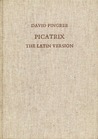
Picatrix: the Latin Version of the Ghāyat al-Hakīm
by Maslama Al-Majriti
No club is reading this yet — be the first to start one
1 reader has this book on their Readfeed shelves
Picatrix is a composite work that synthesizes older works on magic and astrology. One of the most influential interpretations suggests it is to be regarded as a "handbook of talismanic magic". Another researcher summarizes it as "the most thorough exposition of celestial magic in Arabic", indicating the sources for the work as "Arabic texts on Hermeticism, Sabianism, Ismailism, astrology, alchemy and magic produced in the Near East in the ninth and tenth centuries A.D." According to Eugenio Garin "In reality the Latin version of the Picatrix is as indispensable as the Corpus Hermeticum or the writings of Albumasar for understanding a conspicuous part of the production of the Renaissance, including the figurative arts." It has significantly influenced West European magical thinking from Marsilio Ficino in the 15th century, to Thomas Campanella in the 17th century. The manuscript in the British Library passed through several hands: Simon Forman, Richard Napier, Elias Ashmole and William Lilly.
According to the prologue of the Latin translation, Picatrix was translated into Spanish from the Arabic by order of Alphonso X of Castile at some time between 1256 and 1258.The Latin version was produced sometime later, based on translation of the Spanish manuscripts. It has been attributed to Maslama ibn Ahmad al-Magriti (an Andalusian mathematician), but many have called this attribution into question. Consequently, the author is sometimes indicated as "Pseudo-Magriti".
The Spanish and Latin versions were the only ones known to western scholars until Wilhelm Printz discovered an Arabic version in or around 1920.
Discuss Picatrix: the Latin Version of the Ghāyat al-Hakīm with other readers
Join or start a book club for Picatrix: the Latin Version of the Ghāyat al-Hakīm on Readfeed. Live chat, shared reading progress, and AI discussion questions — free to get started.
Frequently asked questions
How do I join a book club for Picatrix: the Latin Version of the Ghāyat al-Hakīm?
Sign up free on Readfeed, then browse public clubs or start your own club with Picatrix: the Latin Version of the Ghāyat al-Hakīm as the current read. Invite friends with a share link and discuss together with live chat and AI discussion questions.
Can I discuss Picatrix: the Latin Version of the Ghāyat al-Hakīm with other readers online?
Yes. Readfeed book clubs let you chat live, share progress, and join discussions about Picatrix: the Latin Version of the Ghāyat al-Hakīm with readers worldwide — whether your club is virtual, in-person, or hybrid.
Is Readfeed free?
Yes. Creating an account and joining book clubs is free. Sign up to find readers who love the same books and start discussing today.