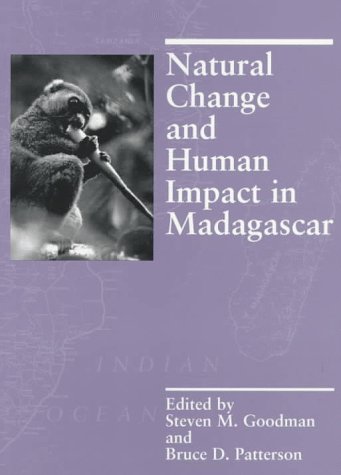
Natural Change and Human Impact in Madagascar
by Sheila O'Connor, Patricia C. Wright, Alison F. Richard, Steven M. Goodman, Bruce D. Patterson, Benjamin R. Andriamihaja, David A. Burney, Prithijit S. Chatrath, Robert E. Dewar, Laurie R. Godfrey, Joseph H. Hartman, William L. Jungers, David W. Krause, Olivier Langrand, Porter P. Lowry II, Ross D. E. MacPhee, Preston A. Marx, Ronald Nussbaum, Peter B. Phillipson, Chantal Radimilahy, Jean-Aimé Rakotoarisoa, Lucien M. A. Rakotozafy, Christopher J. Raxworthy, Kaye E. Reed, George E. Schatz, Elwyn L. Simons, Neil A. Wells, Lucienne Wilmé, Henry T.Wright
No club is reading this yet — be the first to start one
Bringing together the work of the most innovative conservation and evolutionary biologists, geologists, and anthropologists currently working in Madagascar, this book provides the first overview in more than twenty years of how natural and human-induced changes have molded the island's modern ecosystems. The contributors explore such questions as how Holocene Epoch climatic shifts affected the distribution of reptile populations, how the arrival of humans led to the extinction of the island's large-bodied lemurs, and how agricultural practices have exacerbated the gully erosion that ravages central Madagascar.
Describing the past dynamism of island environments and analyzing the causes of the disappearance of many of the island's endemic species, the contributors also assess future prospects for preserving Madagascar's remaining natural areas while sustaining a healthy human economy. Natural Change and Human Impact in Madagascar, in carefully distinguishing between natural and human-induced causes of environmental alteration, reflects new methods for understanding biotic and environmental change worldwide.
Discuss Natural Change and Human Impact in Madagascar with other readers
Join or start a book club for Natural Change and Human Impact in Madagascar on Readfeed. Live chat, shared reading progress, and AI discussion questions — free to get started.
Frequently asked questions
How do I join a book club for Natural Change and Human Impact in Madagascar?
Sign up free on Readfeed, then browse public clubs or start your own club with Natural Change and Human Impact in Madagascar as the current read. Invite friends with a share link and discuss together with live chat and AI discussion questions.
Can I discuss Natural Change and Human Impact in Madagascar with other readers online?
Yes. Readfeed book clubs let you chat live, share progress, and join discussions about Natural Change and Human Impact in Madagascar with readers worldwide — whether your club is virtual, in-person, or hybrid.
Is Readfeed free?
Yes. Creating an account and joining book clubs is free. Sign up to find readers who love the same books and start discussing today.