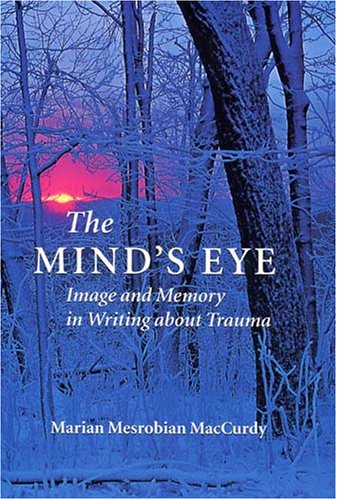
The Mind's Eye: Image and Memory in Writing about Trauma
by Marian Mesrobian MacCurdy
No club is reading this yet — be the first to start one
MacCurdy begins by discussing what trauma is, how traumatic memories are stored and accessed, and how writing affects them. She then focuses on the processes involved in translating traumatic images into narrative form, showing how the same patterns and problems emerge whether the writers are students or professionals. Using examples drawn from the classroom, MacCurdy investigates the beneficial effects of the study of trauma on communities as well as individuals, witnesses as well as writers, and explores the implications of these relationships for the world at large, particularly as they pertain to issues of justice, retribution, and forgiveness.
Throughout the volume the author draws on her own experience as teacher, writer, survivor, and descendant of survivors to explain how one can engage student work on difficult subjects without appropriating the texts or getting lost in the emotions generated by them. She further shows how appropriate safeguards can be put in place to protect both teacher and student writer. The end result of such a pedagogy, MacCurdy demonstrates, is not simply better writers but more integrated people, capable of converting their own losses and griefs into compassion for others.
Discuss The Mind's Eye: Image and Memory in Writing about Trauma with other readers
Join or start a book club for The Mind's Eye: Image and Memory in Writing about Trauma on Readfeed. Live chat, shared reading progress, and AI discussion questions — free to get started.
Frequently asked questions
How do I join a book club for The Mind's Eye: Image and Memory in Writing about Trauma?
Sign up free on Readfeed, then browse public clubs or start your own club with The Mind's Eye: Image and Memory in Writing about Trauma as the current read. Invite friends with a share link and discuss together with live chat and AI discussion questions.
Can I discuss The Mind's Eye: Image and Memory in Writing about Trauma with other readers online?
Yes. Readfeed book clubs let you chat live, share progress, and join discussions about The Mind's Eye: Image and Memory in Writing about Trauma with readers worldwide — whether your club is virtual, in-person, or hybrid.
Is Readfeed free?
Yes. Creating an account and joining book clubs is free. Sign up to find readers who love the same books and start discussing today.