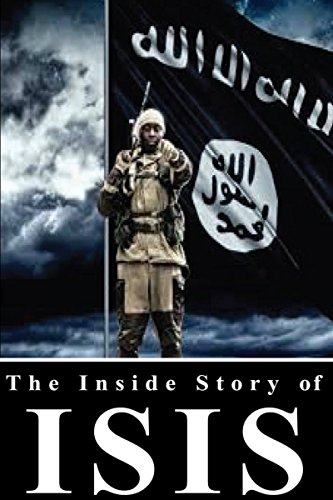
the inside story of isis: The dramatic rise of isis, capturing large territory, having strong & professional army, oil rich land, How isis is managing to administrate such a large territory.
by muhammad asim
No club is reading this yet — be the first to start one
During one of these demonstrations, a black flag was raised among the demonstrators, and soon this flag became the rally flag for the Sunnis who were promised vengeance from the government for the cruel killings of Sunni Muslims during the crackdown.
With the support of middle-class, Sunni families and the backing of Sunni tribesmen, a group under the name of ISLAMIC STATE OF IRAQ started their first operation to wipe out the Iraqi army from the Sunni-dominated province of Anbar under the code name of ANBAR CAMPAIGN. The cities and towns fell with such shocking speed that even some of the leaders of the group were surprised by their victories.
Soon they expanded their territory to Syria by taking an active part in the Syrian civil war and grabbed the oil rich land of Syria. With the capture of a large territory in Syria, the group renamed itself the ISLAMIC STATE OF IRAQ AND SYRIA or simply ISIS or ISIL.
After the shocking rise of ISIS, the international community was afraid of the expansion of this group to Eastern Europe, the Gulf States, and South Asia. So a coalition of 14 countries led by the United States of America started air strikes against ISIS targets, mainly in Iraq, rarely in Syria. However, due to guerilla warfare and lack of intelligence reports from the ground, the ISIS group initially resisted the threat well. They even succeeded in expanding their territory further.
In September 2015, following a formal request from Syria, Russia started its own aerial campaign against ISIS in Syria, the commitment of the Russian president to defeat ISIS was praised throughout the world. Russia started intensive airstrikes against the ISIS positions in Syria and unlike the US-led coalition, these air strikes proved effective in allowing the Syrian army to gain ground and halt the advances of the rebels and ISIS fighters.
However, the resilience of ISIS was stunning, and the new wave of air strikes was insufficient to break the operational momentum of the Isis fighters and its main administrative framework.
Unlike hundreds of other terrorist and insurgent groups, ISIS has maintained a unique administrative structure; they announced their ministries for different services such as civil services, war ministry, finance ministry, oil ministry, information ministry, cyber ministry, etc. This was followed by a new structure of the bureaucracy. ISIS is taking taxes from the civilians and provides them with enough services to enable them to keep in contact with the civilian population and separate from other terrorist organizations.
Unlike other insurgent groups which mainly consist of emotionally motivated fighters, the ISIS army consists of professional fighters They collect funds and sell oil from the oil fields under their control so that they can pay their fighters and they pay them well. An average fighter of Isis gets $200-400 per month.
Some of the Sunni Muslim states such as Turkey, KSA and UAE are backing them due to their own interests in Iraq and Syria. The Iranian and Saudi blocks are fighting proxies in Syria, Yemen, and Iraq.
In Iraq and Syria, the Saudi block is helping ISIS and rebels. Iran is backing the governments of these countries, but in Yemen the situation is inverted: there the Saudi block is backing the govt while the Iranian block is helping Houthi rebels to fight against the govt.
Discuss the inside story of isis: The dramatic rise of isis, capturing large territory, having strong & professional army, oil rich land, How isis is managing to administrate such a large territory. with other readers
Join or start a book club for the inside story of isis: The dramatic rise of isis, capturing large territory, having strong & professional army, oil rich land, How isis is managing to administrate such a large territory. on Readfeed. Live chat, shared reading progress, and AI discussion questions — free to get started.
Frequently asked questions
How do I join a book club for the inside story of isis: The dramatic rise of isis, capturing large territory, having strong & professional army, oil rich land, How isis is managing to administrate such a large territory.?
Sign up free on Readfeed, then browse public clubs or start your own club with the inside story of isis: The dramatic rise of isis, capturing large territory, having strong & professional army, oil rich land, How isis is managing to administrate such a large territory. as the current read. Invite friends with a share link and discuss together with live chat and AI discussion questions.
Can I discuss the inside story of isis: The dramatic rise of isis, capturing large territory, having strong & professional army, oil rich land, How isis is managing to administrate such a large territory. with other readers online?
Yes. Readfeed book clubs let you chat live, share progress, and join discussions about the inside story of isis: The dramatic rise of isis, capturing large territory, having strong & professional army, oil rich land, How isis is managing to administrate such a large territory. with readers worldwide — whether your club is virtual, in-person, or hybrid.
Is Readfeed free?
Yes. Creating an account and joining book clubs is free. Sign up to find readers who love the same books and start discussing today.