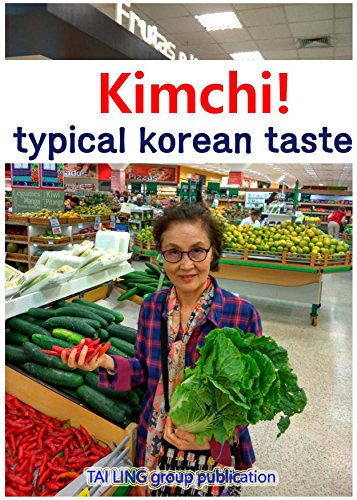
Kimchi ! the typical Korean taste: Recipes for the most popular 10 kinds of Kimchi, the traditional Korean fermentation food for health
by Woosen Ur
No club is reading this yet — be the first to start one
The main ingredients are cabbage, radish, red pepper, salt etc but most of all, fermentation is a very important process to make Kimchi. Kimchi is famous for its nutrition and benefits for health. Kimchi promotes digestion and has weight loss effects. It also boosts up immune system, improve blood circulation and also has anti-aging effects and prevents cancer. Like most of fermented foods, Kimchi also has very strong effects of increasing lactobacillus and leuconostoc in the body. They are probiotic ingredients that increase natural healing power and prevents various diseases.
The origin of Kimchi traces back to almost 3000 years ago in Korean peninsula. The ancient words for Kimchi was dimchae or jinchae and during the period of the kingdoms of Korea ( about 5th century ), this word transformed to jinchi and later became Kimchi. This words means soaked vegetables.
This book explains 10 kinds of recipes and also introduce knowledges and history of Kimchi and benefits for health. This book includes photos of each Kimchi that will help you study recipes of Kimchi. Easy explanations and ways to get the ingredients are included. One recipe incluides general story, preparation, ingredients and directions. This book includes ten recipes for ten kinds of the most popular Kimchi. If you are running a restaurant, you can use these recipes directly.
< Contents of book >
What is Kimchi?
History of Kimchi
Why is Kimchi healthful?
Point of view of oriental medicine on Kimchi
Measurement of quantity of ingredients
Preparation of cabbage for Kimchi
Baek Kimchi ( White Kimchi )
Pogi Kimchi ( Cabbage Kimchi )
Tongchimi ( Radish water Kimchi )
Mat Kimchi ( Kimchi of taste )
Yeolmu Kimchi ( Young summer radish Kimchi )
Nabak Kimchi ( Sliced radish & cabbage Kimchi )
Gat Kimchi ( Leaf mustard Kimchi )
Pa Kimchi, Pagimchi ( Wakegi onion Kimchi, Scallion Kimchi )
Chonggak Kimchi ( Ponytail radish Kimchi, Altari mu Kimchi )
Gakdugi ( Kkakdugi, Diced radish )
Discuss Kimchi ! the typical Korean taste: Recipes for the most popular 10 kinds of Kimchi, the traditional Korean fermentation food for health with other readers
Join or start a book club for Kimchi ! the typical Korean taste: Recipes for the most popular 10 kinds of Kimchi, the traditional Korean fermentation food for health on Readfeed. Live chat, shared reading progress, and AI discussion questions — free to get started.
Frequently asked questions
How do I join a book club for Kimchi ! the typical Korean taste: Recipes for the most popular 10 kinds of Kimchi, the traditional Korean fermentation food for health?
Sign up free on Readfeed, then browse public clubs or start your own club with Kimchi ! the typical Korean taste: Recipes for the most popular 10 kinds of Kimchi, the traditional Korean fermentation food for health as the current read. Invite friends with a share link and discuss together with live chat and AI discussion questions.
Can I discuss Kimchi ! the typical Korean taste: Recipes for the most popular 10 kinds of Kimchi, the traditional Korean fermentation food for health with other readers online?
Yes. Readfeed book clubs let you chat live, share progress, and join discussions about Kimchi ! the typical Korean taste: Recipes for the most popular 10 kinds of Kimchi, the traditional Korean fermentation food for health with readers worldwide — whether your club is virtual, in-person, or hybrid.
Is Readfeed free?
Yes. Creating an account and joining book clubs is free. Sign up to find readers who love the same books and start discussing today.