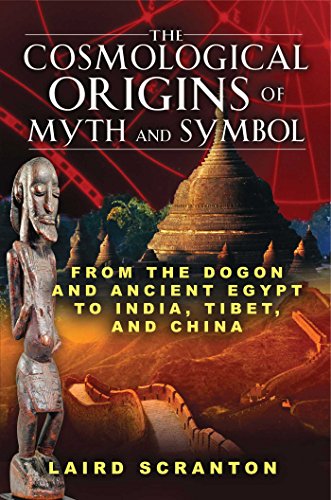
The Cosmological Origins of Myth and Symbol: From the Dogon and Ancient Egypt to India, Tibet, and China
by Laird Scranton
No club is reading this yet — be the first to start one
• Shows how this parent cosmology provided the conceptual origins of written language
• Uses techniques of comparative cosmology to synchronize the creation traditions of the Dogon, ancient Egyptians, and ancient Buddhists
• Applies the signature elements of this parent cosmology to explore and interpret the creation tradition of a present-day Tibetan/Chinese tribe called the Na-Khi--the keepers of the world’s last surviving hieroglyphic language
Great thinkers and researchers such as Carl Jung have acknowledged the many broad similarities that exist between the myths and symbols of ancient cultures. One largely unexplored explanation for these similarities lies in the possibility that these systems of myth all descended from one common cosmological plan. Outlining the most significant aspects of cosmology found among the Dogon, ancient Egyptians, and ancient Buddhists, including the striking physical and cosmological parallels between the Dogon granary and the Buddhist stupa, Laird Scranton identifies the signature attributes of a theoretic ancient parent cosmology--a planned instructional system that may well have spawned these great ancient creation traditions.
Examining the esoteric nature of cosmology itself, Scranton shows how this parent cosmology encompassed both a plan for the civilized instruction of humanity as well as the conceptual origins of language. The recurring shapes in all ancient religions were key elements of this plan, designed to give physical manifestation to the sacred and provide the means to conceptualize and compare earthly dimensions with those of the heavens. As a practical application of the plan, Scranton explores the myths and language of an obscure Chinese priestly tribe known as the Na-Khi--the keepers of the world’s last surviving hieroglyphic language. Suggesting that cosmology may have engendered civilization and not the other way around, Scranton reveals how this plan of cosmology provides the missing link between our macroscopic universe and the microscopic world of atoms.
Discuss The Cosmological Origins of Myth and Symbol: From the Dogon and Ancient Egypt to India, Tibet, and China with other readers
Join or start a book club for The Cosmological Origins of Myth and Symbol: From the Dogon and Ancient Egypt to India, Tibet, and China on Readfeed. Live chat, shared reading progress, and AI discussion questions — free to get started.
Frequently asked questions
How do I join a book club for The Cosmological Origins of Myth and Symbol: From the Dogon and Ancient Egypt to India, Tibet, and China?
Sign up free on Readfeed, then browse public clubs or start your own club with The Cosmological Origins of Myth and Symbol: From the Dogon and Ancient Egypt to India, Tibet, and China as the current read. Invite friends with a share link and discuss together with live chat and AI discussion questions.
Can I discuss The Cosmological Origins of Myth and Symbol: From the Dogon and Ancient Egypt to India, Tibet, and China with other readers online?
Yes. Readfeed book clubs let you chat live, share progress, and join discussions about The Cosmological Origins of Myth and Symbol: From the Dogon and Ancient Egypt to India, Tibet, and China with readers worldwide — whether your club is virtual, in-person, or hybrid.
Is Readfeed free?
Yes. Creating an account and joining book clubs is free. Sign up to find readers who love the same books and start discussing today.