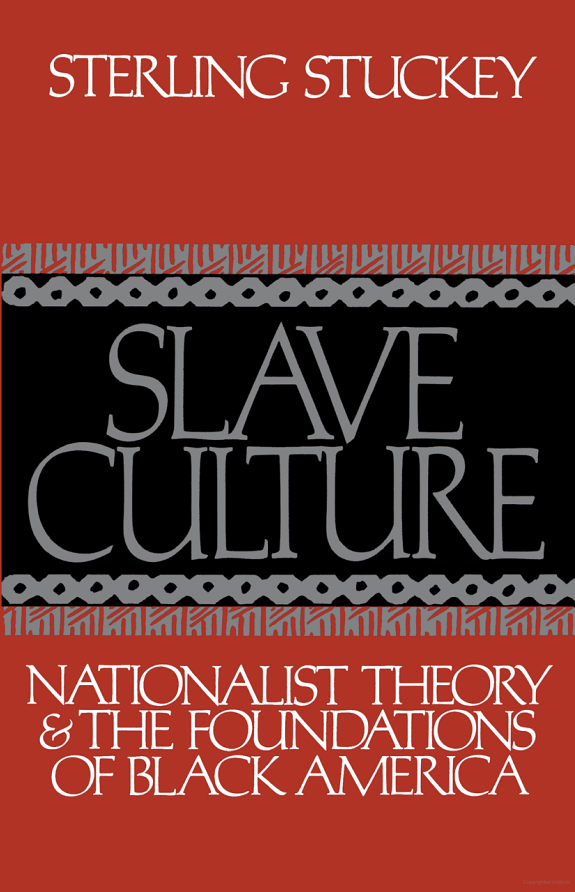
Slave Culture : Nationalist Theory and the Foundations of Black America

Slave Culture : Nationalist Theory and the Foundations of Black America

Nationalist Theory and the Foundations of Black America

by Sterling Stuckey Professor of History Northwestern University

444 pages· 1987· ISBN 9780198021247

Browse books you can read free on Readfeed

No club is reading this yet — be the first to start one

Start a club free
About
How were blacks in American slavery formed, out of a multiplicity of African ethnic peoples, into a single people? In this major study of Afro-American culture, Sterling Stuckey, a leading thinker on black nationalism for the past twenty years, explains how different African peoples interacted during the nineteenth century to achieve a common culture. He finds that, at the time of emancipation, slaves were still overwhelmingly African in culture, a conclusion with profound implications for theories of black liberation and for the future of race relations in America. By examining anthropological evidence about Central and West African cultural traditions--Bakongo, Ibo, Dahomean, Mendi and others--and exploring the folklore of the American slave, Stuckey has arrived at an important new cross-cultural analysis of the Pan-African impulse among slaves that contributed to the formation of a black ethos. He establishes, for example, the centrality of an ancient African ritual--the Ring Shout or Circle Dance--to the black American religious and artistic experience. Black nationalist theories, the author points out, are those most in tune with the implication of an African presence in America during and since slavery. Casting a fresh new light on these ideas, Stuckey provides us with fascinating profiles of such nineteenth century figures as David Walker, Henry Highland Garnet, and Frederick Douglas. He then considers in detail the lives and careers of W. E. B. Dubois and Paul Robeson in this century, describing their ambition that blacks in American society, while struggling to end racism, take on roles that truly reflected their African heritage. These concepts of black liberation, Stuckey suggests, are far more relevant to the intrinsic values of black people than integrationist thought on race relations. But in a final revelation he concludes that, with the exception of Paul Robeson, the ironic tendency of black nationalists has been to underestimate the depths of African culture in black Americans and the sophistication of the slave community they arose from.

Discuss Slave Culture : Nationalist Theory and the Foundations of Black America with other readers

Join or start a book club for Slave Culture : Nationalist Theory and the Foundations of Black America on Readfeed. Live chat, shared reading progress, and AI discussion questions — free to get started.

Frequently asked questions

How do I join a book club for Slave Culture : Nationalist Theory and the Foundations of Black America?

Sign up free on Readfeed, then browse public clubs or start your own club with Slave Culture : Nationalist Theory and the Foundations of Black America as the current read. Invite friends with a share link and discuss together with live chat and AI discussion questions.

Can I discuss Slave Culture : Nationalist Theory and the Foundations of Black America with other readers online?

Yes. Readfeed book clubs let you chat live, share progress, and join discussions about Slave Culture : Nationalist Theory and the Foundations of Black America with readers worldwide — whether your club is virtual, in-person, or hybrid.

Is Readfeed free?

Yes. Creating an account and joining book clubs is free. Sign up to find readers who love the same books and start discussing today.