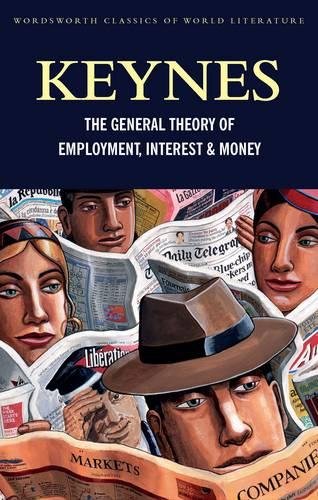
The General Theory of Employment, Interest and Money: With the Economic Consequences of the Peace (Classics of World Literature)
by John Maynard Keynes CB Fba
No club is reading this yet — be the first to start one
John Maynard Keynes (1883-1946) is perhaps the foremost economic thinker of the twentieth century. On economic theory, he ranks with Adam Smith and Karl Marx; and his impact on how economics was practiced, from the Great Depression to the 1970s, was unmatched.
The General Theory of Employment, Interest and Money was first published in 1936. But its ideas had been forming for decades - as a student at Cambridge, Keynes had written to a friend of his love for 'Free Trade and free thought'. Keynes's limpid style, concise prose, and vivid descriptions have helped to keep his ideas alive - as have the novelty and clarity, at times even the ambiguity, of his macroeconomic vision. He was troubled, above all, by high unemployment rates and large disparities in wealth and income. Only by curbing both, he thought, could individualism, 'the most powerful instrument to better the future', be safeguarded. The twenty-first century may yet prove him right.
In The Economic Consequences of the Peace (1919), Keynes elegantly and acutely exposes the folly of imposing austerity on a defeated and struggling nation.
Discuss The General Theory of Employment, Interest and Money: With the Economic Consequences of the Peace (Classics of World Literature) with other readers
Join or start a book club for The General Theory of Employment, Interest and Money: With the Economic Consequences of the Peace (Classics of World Literature) on Readfeed. Live chat, shared reading progress, and AI discussion questions — free to get started.
Frequently asked questions
How do I join a book club for The General Theory of Employment, Interest and Money: With the Economic Consequences of the Peace (Classics of World Literature)?
Sign up free on Readfeed, then browse public clubs or start your own club with The General Theory of Employment, Interest and Money: With the Economic Consequences of the Peace (Classics of World Literature) as the current read. Invite friends with a share link and discuss together with live chat and AI discussion questions.
Can I discuss The General Theory of Employment, Interest and Money: With the Economic Consequences of the Peace (Classics of World Literature) with other readers online?
Yes. Readfeed book clubs let you chat live, share progress, and join discussions about The General Theory of Employment, Interest and Money: With the Economic Consequences of the Peace (Classics of World Literature) with readers worldwide — whether your club is virtual, in-person, or hybrid.
Is Readfeed free?
Yes. Creating an account and joining book clubs is free. Sign up to find readers who love the same books and start discussing today.